
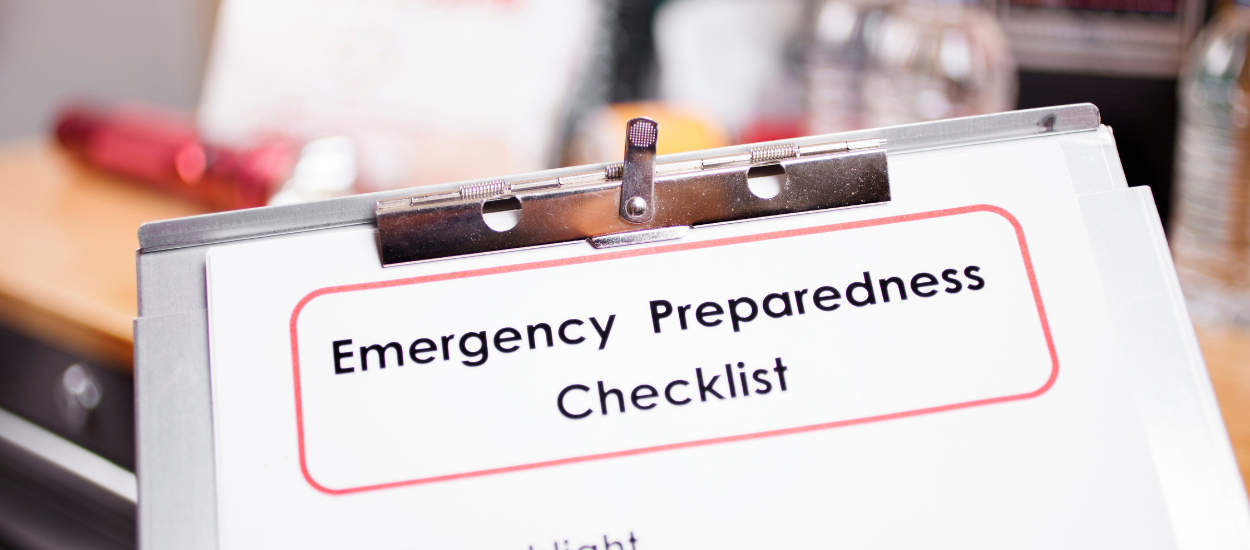
Every June 1, Atlantic hurricane season officially begins and runs through November 30. Maryland homeowners don’t need to brace for a direct landfall to feel the impact. Tropical systems that make landfall hundreds of miles south routinely track northward along the eastern seaboard, bringing sustained winds, heavy rainfall, and storm surge along the Chesapeake Bay and its tributaries that test every vulnerability in a home’s exterior.
The difference between a costly claim and a season that passes without incident is usually not luck. It’s preparation. This page answers the questions we hear most from homeowners across Anne Arundel County, Howard County, and Baltimore County as storm season approaches.
When Is Hurricane Season in Maryland?
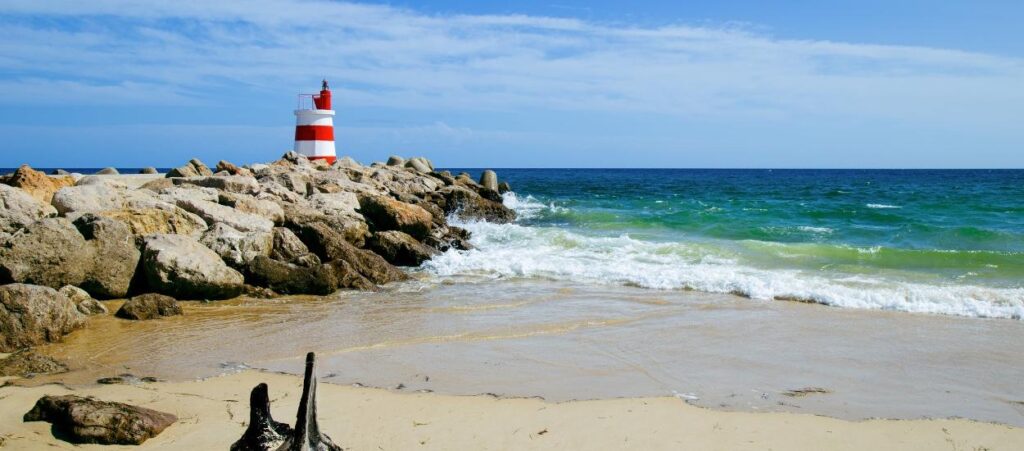
Atlantic hurricane season runs June 1 through November 30, with peak activity between mid-August and mid-October. The threats that matter most for Maryland homeowners are not category 4 winds. They are the sustained elevated winds and hours of wind-driven rain that tropical remnants and nor’easters produce as they move through the mid-Atlantic.
That kind of prolonged exposure finds every weakness in a roof system that might go unnoticed through a typical summer storm. A shingle with a broken sealant bond. Flashing that has pulled slightly away from masonry. A gutter clogged with spring debris that can’t handle the water volume a tropical system drops in an hour. These are the conditions that turn a manageable storm into a significant repair.
How Do Maryland Homes Get Damaged by Hurricanes?
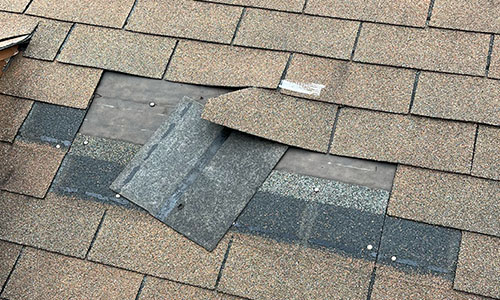
Most hurricane-related damage to Maryland homes is not caused by catastrophic structural failure. It is caused by existing vulnerabilities being exposed under conditions more demanding than what those vulnerabilities normally face.
Shingles with broken sealant bonds lift under sustained wind pressure and allow rain to get underneath. Flashing around chimneys and skylights that was slightly loose becomes an open water intrusion point under hours of wind-driven rain. Gutters loaded with debris back up and drive water against fascia boards and foundations. Siding panels with minor gaps allow moisture into the wall assembly where it causes damage over months, not days.
None of these are dramatic failures. They are the kind of deferred maintenance a pre-season inspection catches before a storm turns them into insurance claims.
Is There Such a Thing as a Hurricane Proof Roof?
No, and any contractor who tells you otherwise is not being straight with you. No roof system can be guaranteed to withstand every possible storm event, and no reputable contractor will make that promise.
What does exist is a meaningful difference between a roof that is well-maintained, properly installed, and performing to its wind resistance rating, and one that is not. Asphalt shingles are rated for specific wind speeds. GAF Timberline HDZ shingles carry a Class F wind resistance rating tested to 130 mph when properly installed. That does not mean the roof is impervious to storm damage. It means it performs significantly better under high wind conditions than an aging roof with deteriorating components.
The realistic goal is not a hurricane proof roof. It is a roof in the best possible condition to handle what the season brings.
What Should I Do to Prepare My Roof Before Hurricane Season?
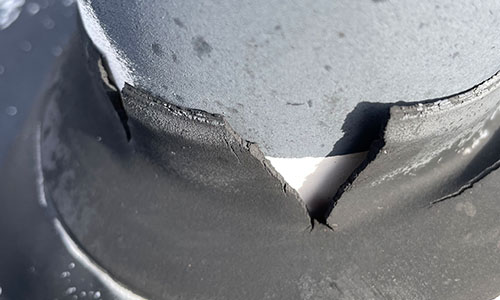
The single most important step is a professional inspection and free estimate before storm season begins. Not because something is visibly wrong, but because the issues that cause the most damage during a hurricane are not visible from the ground and will not announce themselves until a storm finds them.
A thorough pre-season roof inspection covers:
Shingles — lifted or curling edges, broken sealant bonds, missing granules, and any sections that have shifted or separated. Wind damage during a storm starts at the weakest point, typically along ridges, hips, and roof edges where uplift pressure is highest.
Flashing — the metal at chimney bases, skylights, roof-to-wall transitions, and valleys fails first under wind-driven rain. Flashing that has separated from masonry or pulled away from the roof surface is an immediate water intrusion risk.
Pipe boots and penetrations — rubber seals around plumbing penetrations degrade over time and are a common source of leaks that storms expose but did not cause.
Ridge and hip caps — the most exposed components on the roof and the most likely to fail first in high winds. Loose or improperly sealed caps should be addressed before the season starts.
Completing repairs before storm season means the work gets done on your schedule, with the contractor of your choosing, at normal pricing. Waiting until after a storm means competing for contractor availability in a market where demand has spiked overnight.
Do Gutters, Siding, and Windows Need Hurricane Preparation Too?
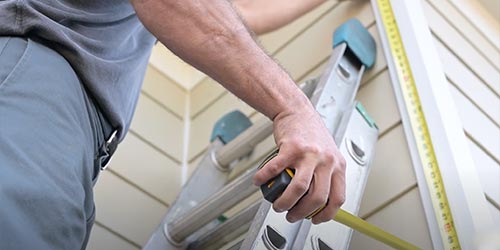
Yes. Hurricane and tropical storm damage to Maryland homes rarely stops at the roof, and preparation should cover the full exterior.
Gutters and downspouts — gutters loaded with spring debris cannot handle the water volume a tropical system produces. Backed-up gutters overflow against the fascia and foundation. In high winds, the added weight of debris and standing water can pull gutters away from the house entirely. Pre-season cleaning and a check of gutter pitch and attachment points addresses one of the most preventable categories of storm damage.
Siding — panels that have pulled away from the wall, cracked sections, and gaps around trim and window frames are entry points for wind-driven rain under sustained storm conditions. Fiber cement siding such as James Hardie is engineered for wind and moisture resistance and is worth considering if your current siding is aging or showing vulnerabilities heading into hurricane season.
Windows and doors — failed caulking around frames and any frames that have shifted or warped are worth addressing before the season starts. A window seal that holds through a standard rainstorm may not hold through hours of wind-driven rain at elevated pressure.
How Can I Tell If My Roof Is Ready for Hurricane Season?

Age is one indicator. Most asphalt shingle roofs are designed for a 25 to 30 year lifespan under normal conditions. A roof approaching or past that range going into hurricane season carries more risk than a newer one. But age alone is not the full picture. A 15-year-old roof that has been through multiple storm seasons without a professional inspection may have accumulated damage that is not visible from the ground. A 25-year-old roof that has been well-maintained may have years of serviceable life remaining.
The only reliable way to know is a professional inspection by a trusted community-based expert like Fichtner Home Exteriors who will give you an honest assessment of what they find.
How Do I Prepare My Home for Hurricane Season?
Preparation starts with the inspection, but there are steps homeowners can take independently before storm season begins.
- Walk the perimeter of your home and note anything that looks out of place: siding that has pulled away from the wall, gutters that are visibly sagging or separating from the fascia, window frames with cracked or missing caulk, and any tree limbs that overhang the roof. None of these require a contractor to identify, and documenting them before the season starts gives you a baseline if you need to file a claim later.
- Clean your gutters if they have not been cleared since fall. Check that downspouts are directing water away from the foundation. Make sure attic vents are clear and that there are no signs of existing moisture in the attic before the season brings more.
When it comes to hiring a contractor for inspection or repairs, a legitimate contractor will inspect your roof, document what they find with photos, and give you a written report with no obligation and nothing to sign before they get started. Be cautious of anyone who arrives unsolicited and asks for a signature before the inspection begins. What looks like a simple authorization form can be a contract that binds you to that contractor for repairs or entitles them to a percentage of any future insurance payout.
Verify MHIC licensing before hiring anyone. Any contractor performing roofing work in Maryland must hold an active Maryland Home Improvement Commission license, which you can confirm directly at the MHIC website. Ask about manufacturer certifications. GAF Master Elite, TAMKO Pro Certified, and similar designations are the pathway to enhanced warranty coverage that includes workmanship, not just materials.
Fichtner Home Exteriors holds all three — GAF Master Elite (held by fewer than 3% of roofing contractors in the U.S.), TAMKO Pro Certified, and Firestone Red Shield Certified. We have been recognized as one of Anne Arundel County’s top roofing companies for 14 consecutive years, and 75% of our business comes from repeat customers and referrals.
Schedule a Free Hurricane Season Roof Inspection in Anne Arundel County
If you are not sure whether your roof, gutters, and exterior are ready for hurricane season, we will tell you exactly what we find. No pressure, no obligation, and nothing to sign at the door.
Fichtner Home Exteriors provides free hurricane season inspections across Annapolis, Anne Arundel County, Howard County, Baltimore County, and surrounding communities. We document everything, provide a written report, and give you an honest assessment of what needs attention before the season starts.
Schedule your free inspection or call us at (410) 519-1900.


